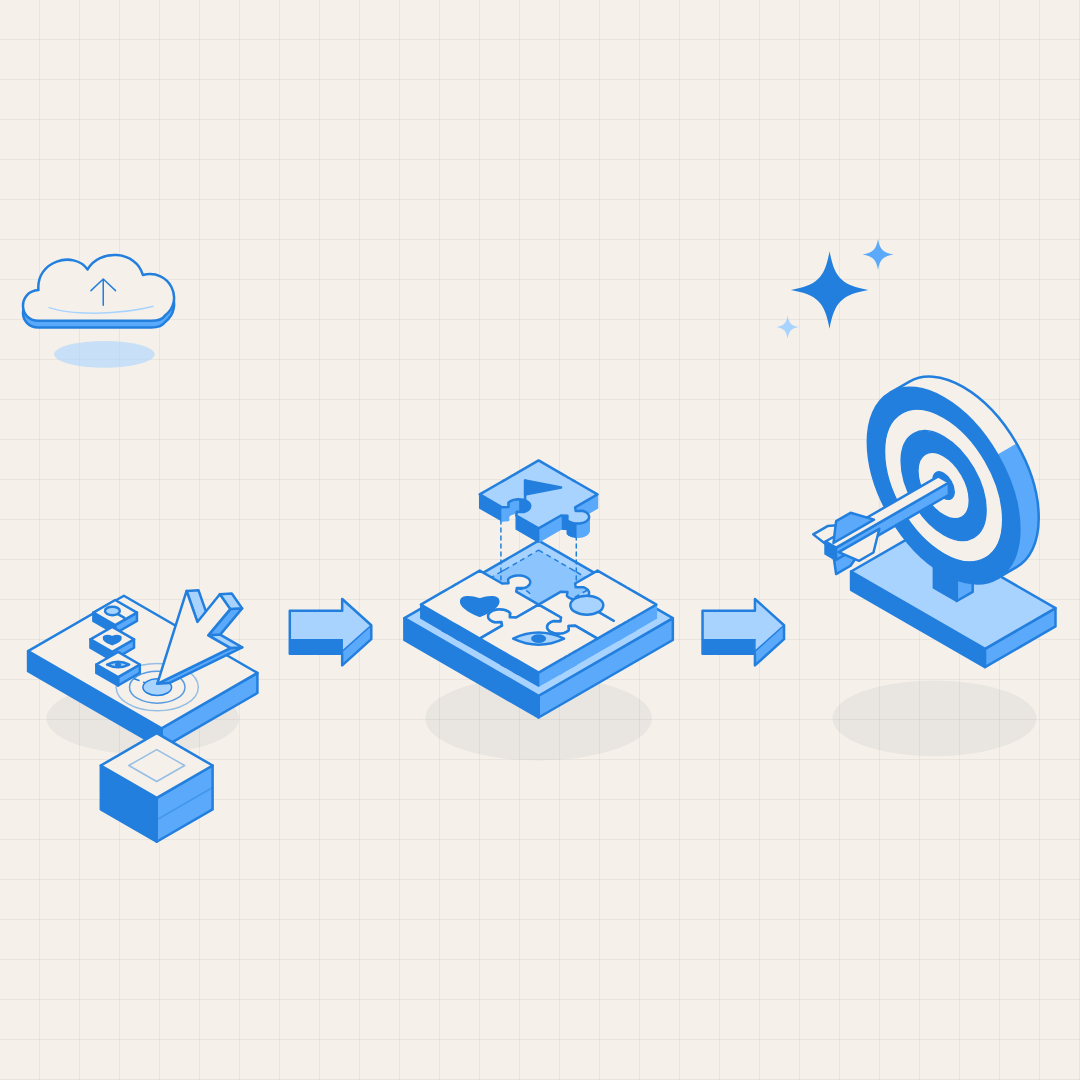
Over three weeks, a customer searches for shaker cabinets, saves a tile backsplash and looks at quartz countertops. A typical recommendation system sees three separate interests and responds to whichever came last. The customer sees one project: a new kitchen.
That gap is where the next stage of AI personalization is being built. Instead of reacting to the last click, leading platforms now predict customer intent, meaning the goal behind a sequence of actions, and personalize around that goal. The method relies on behavioral analytics and clickstream analysis of data most companies already collect.
Why the Last Click Is a Weak Signal for Personalization Most recommendation systems are designed to predict the next item. That works well for quick decisions, but many valuable customer goals unfold over weeks: planning a renovation, preparing for an event, or evaluating a large purchase.
One large visual discovery platform puts the distinction simply. An interest in summer dresses is different from working out what to wear to a summer wedding in August, and only the second describes what the person is trying to accomplish. Personalization built around the second is more specific, more timely and more useful.
What Is Customer Intent in Behavioral Analytics? Customer intent is the goal a customer is working toward, inferred from what they do rather than what they say. Behavioral analytics is the practice of analyzing those actions, such as searches, views, saves and purchases, to understand that goal.
Two related disciplines feed it:
Clickstream analysis User journey analytics Intent prediction is the step that turns this history into a named, ranked list of what each customer is most likely trying to do next. Netflix has published research on the same idea for streaming sessions.
How One Platform Turned Activity into Intent The platform's first version grouped activity into goals using clustering. Even that early step paid off. Compared with interest-based notifications, goal-aware notifications lifted email click rate by 88%, push open rate by 32% and positive survey feedback by 23%.
The team then simplified the system. A fine-tuned 4-billion-parameter language model now reads each user's chronological activity log and returns a ranked list of goal names in the user's own language. The model weighs actions by strength, with searches and saves counting more than comments, likes, clicks and dislikes, and treats hidden content as evidence too.
The results held up in a live test. Against the earlier system, the new approach lifted email click-through by 1.1% and push opens by 1.3%, with significant gains in engagement and retention, and the rollout increased daily, weekly and monthly active users.
The team describes the method as transferable. Any platform with sequential user activity, including e-commerce, streaming and search, can apply the same activity-to-intent approach.
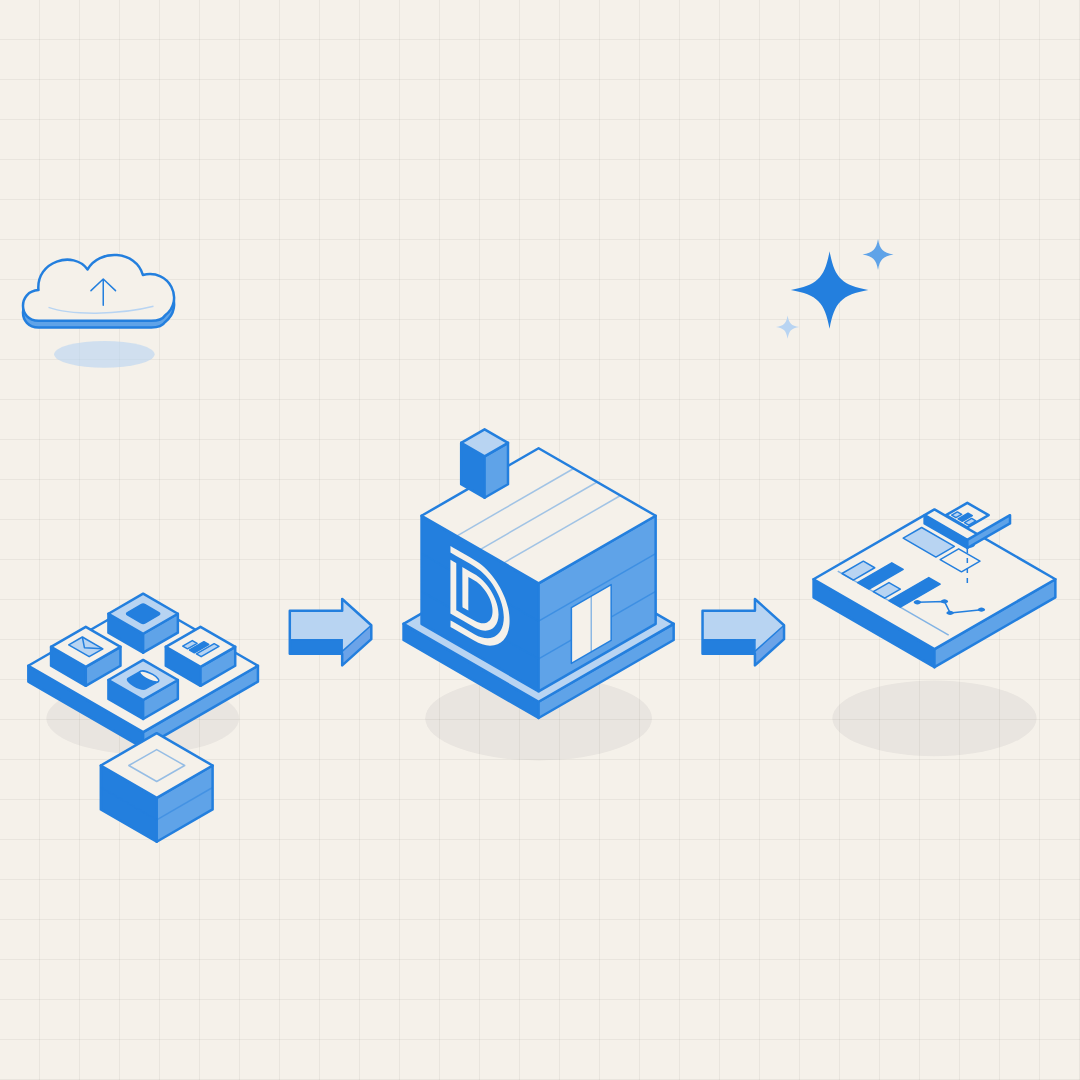
What Intent Prediction Needs from Your Data The model gets the attention, but the results depend on the data foundation underneath. Teams preparing for intent-based AI personalization need six things in place:
Consistent event tracking across web, app and email, with one schema for every action.A clear signal hierarchy that ranks high-commitment actions above passive ones.Negative signals captured , such as hides, dismissals and unsubscribes.Cross-session history long enough to see goals that develop over weeks or months.A sensible refresh cadence. The platform in this example skips users it processed within the last couple of days, because goals rarely change hour to hour.Privacy guardrails designed in from the start.
Responsible AI Personalization Builds Lasting Trust Inferring goals from behavior carries responsibility, and the platform's approach is a strong model. Its model is instructed never to infer or target topics such as health conditions, politics, religion, sexual orientation, gender identity or race, and profile inputs are minimized, with ages grouped into broad bands. Users under 18 in the EEA, Switzerland and the UK are not yet eligible, in line with local laws.
For any company personalizing across regions, safeguards like these are what keep AI personalization helpful and compliant with privacy rules such as GDPR.
What This Means for Growth and Data Leaders Intent-based personalization moves the conversation from "what did this customer click" to "what is this customer trying to achieve." That shift produces more relevant recommendations, better-timed messages and stronger engagement, often from behavioral data a business already owns.
At Datum Labs , our AI & ML team helps companies build the foundation for this: unified event tracking, clickstream analysis pipelines, signal design and intent models that run reliably at scale, with privacy controls in place from day one.
The customers who matter most are usually in the middle of something. Personalization that understands what that is will earn their attention.