

Explore AI Summary




We turn complex data into clear insights. Our comprehensive data analytics services, from strategy to execution, drive business growth and innovation.
.png)
.png)
.png)
.png)



Most of this build is the AI reasoning pipeline itself, but it doesn't float on its own. Datum Labs also built the application layer around it: a web chat interface with conversation memory, an API gateway enforcing account-scoped access behind corporate single sign-on, and PostgreSQL holding session history so a follow-up question keeps its context. That's the Data Front sliver in this build, a real internal interface, just a small one, since the actual product here is the agent's judgment, not a dashboard.
For a trading business, a stuck payment is a stuck customer. When a deposit or withdrawal fails to clear, the account freezes and the client can't trade, so every payment issue is live and time-sensitive with direct revenue impact.
Today, resolving one of these tickets pulls a senior engineer into a manual investigation, correlating logs across account activity, market data, and transaction history by hand. It's slow, it ties up the most expensive technical people on staff, and the workload grows directly with trader volume. The frustrating part: the answer is almost always already in the data. It just takes too long to find.
In a financial-operations setting, an assistant that guesses or invents a number is worse than no assistant at all. Giving any automated system write access to payment data would be unacceptable. The solution had to be grounded and strictly read-only, not just fast.
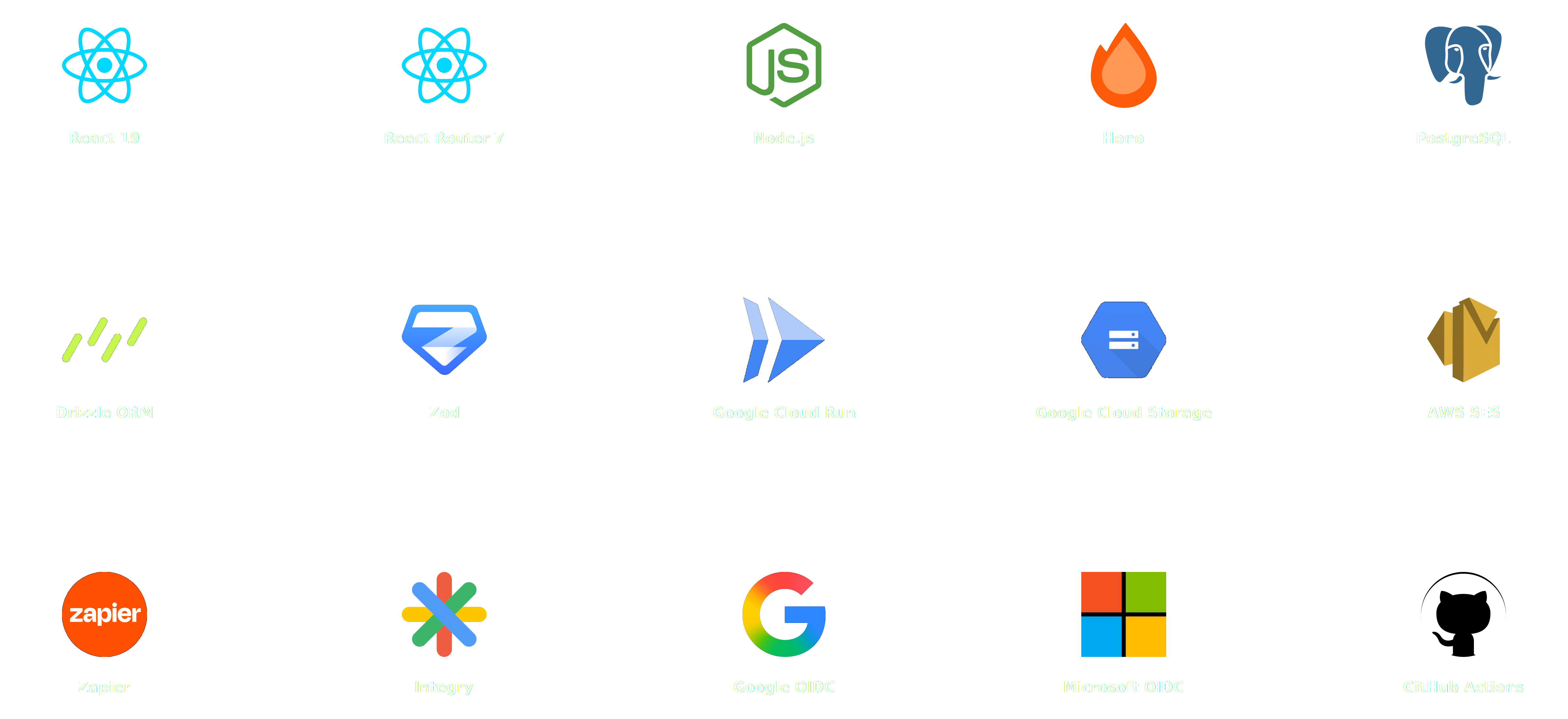
Every layer the agent runs on:
The instinctive fix is to hire more support staff or give them a general-purpose chatbot pointed at the logs. More staff doesn't fix the underlying speed problem; it just spreads the same slow process across more people. A general chatbot without grounding risks confidently inventing an answer on financial data, which is worse than the hour-long manual process it's replacing.
Market 4U didn't need more people or a faster guess. They needed an agent that could only ever say what the data actually showed, running inside their own environment, with no way to touch a payment record.
The architecture runs on one constraint: every answer is grounded in real data and traced to its source before a user ever sees it.
Before, every stuck payment ticket meant pulling a senior engineer away from building to manually dig through several systems' worth of logs.
The data was always there, scattered across systems nobody had time to correlate by hand. Orbit built the interface and the agent that reads it, grounds it, and hands support a sourced answer in seconds.


Explore AI Summary
We turn complex data into clear insights. Our comprehensive data analytics services, from strategy to execution, drive business growth and innovation.

